

Varicose Veins
Varicose Veins
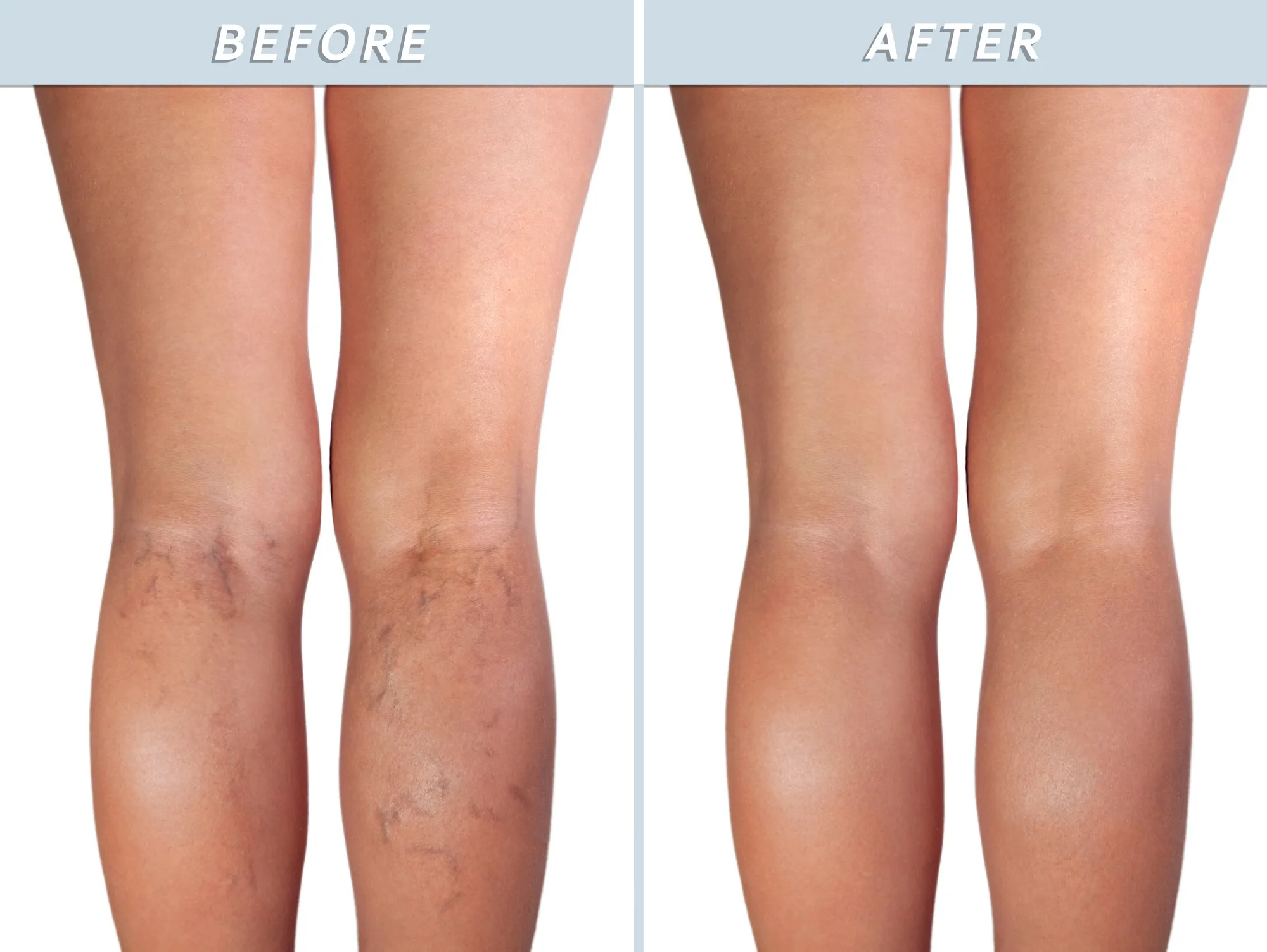
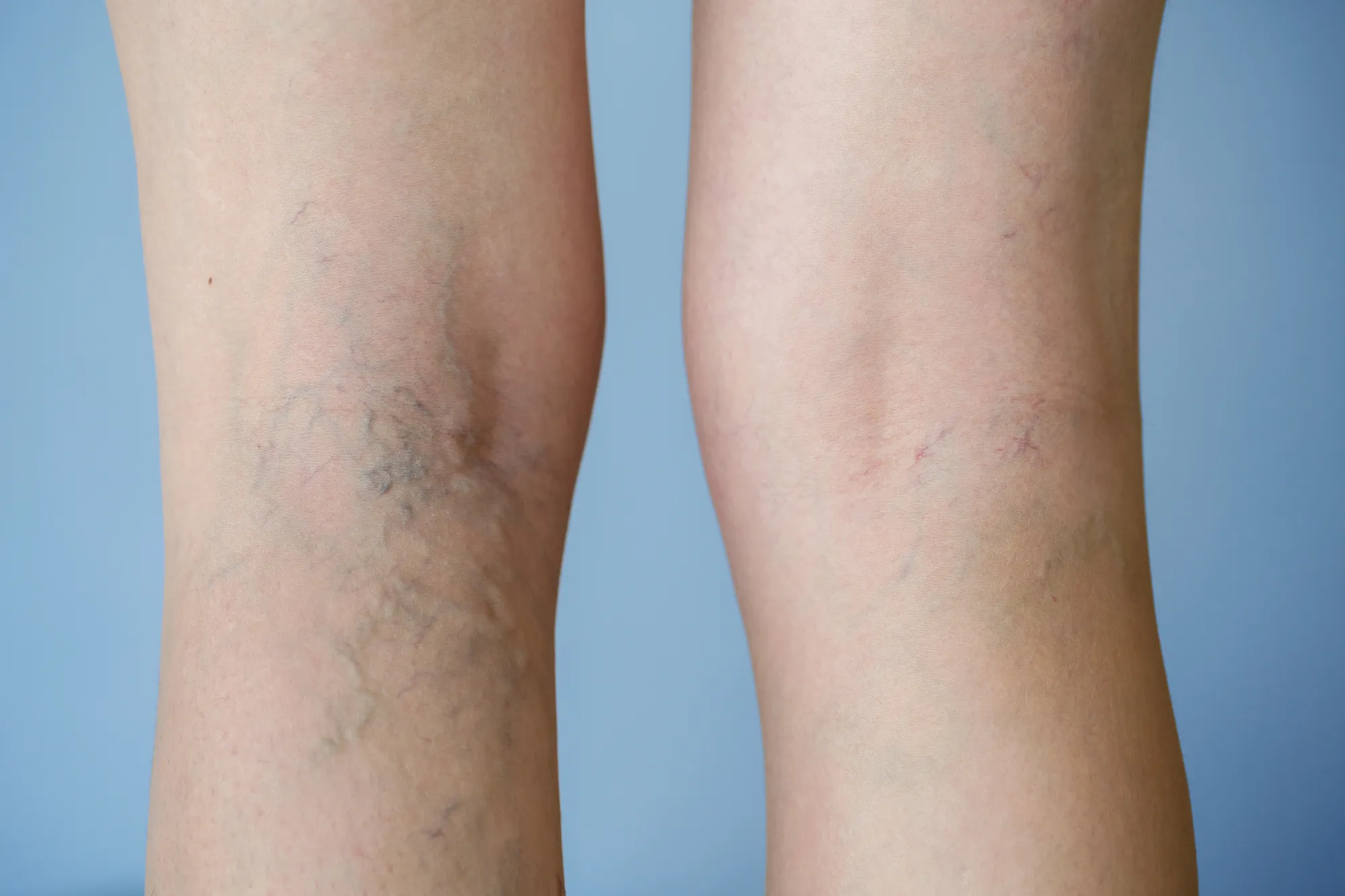
Varicose veins are enlarged, twisted veins that often appear in the legs and feet. They occur when the valves inside the veins, which help blood circulate back to the heart, become weakened or damaged. This leads to blood pooling, causing the veins to swell and become visible beneath the surface of the skin. Varicose veins are not only a cosmetic issue, but they can also cause pain, a feeling of heaviness, itching, and in more severe cases, skin ulcers.
What are the symptoms of varicose veins?
The symptoms of varicose veins vary from person to person. The most common symptoms include a feeling of heaviness and fatigue in the legs, especially after prolonged standing. Many patients also report pain, burning sensations, and cramps in the calf muscles, particularly at night. Other symptoms may include swelling in the ankles and feet, itching over the affected vein, and the appearance of brown discoloration of the skin near the ankles. In advanced stages, varicose veins may lead to more serious problems, such as inflammation of the vein (phlebitis) or the formation of blood clots.
What factors increase the risk of developing varicose veins?
The development of varicose veins is associated with several risk factors. Heredity plays a significant role, as having a family member with varicose veins increases your likelihood of developing them. Age is another factor, as veins tend to lose their elasticity over time. Prolonged standing or a sedentary lifestyle due to occupation (e.g., hairdressers, nurses) increases pressure on the leg veins. Additionally, obesity, pregnancy, and gender (women are more prone) are contributing factors to the development of varicose veins.
What treatments are available for varicose veins?
At Therapis General Hospital, varicose veins are treated using the most modern and minimally invasive techniques, offering fast recovery and excellent results. The choice of appropriate treatment depends on the type and severity of the condition. These techniques allow patients to return to their daily activities almost immediately. At our hospital, the most advanced methods are applied, such as endovenous laser treatment, foam sclerotherapy (Sclerotherapy), and the use of specialized devices for vein closure.
How is endovenous laser treatment for varicose veins performed?
Endovenous laser treatment is one of the most modern and effective techniques for treating varicose veins. It is a minimally invasive procedure in which a very thin catheter is inserted into the affected vein under ultrasound guidance. Through this catheter, laser energy is delivered, heating the inner wall of the vein. The heat causes the vein to shrink and permanently close, stopping blood flow through it. Blood is then automatically redirected to healthy veins. The procedure is painless, lasts approximately 30–45 minutes, and is performed under local anesthesia. The patient can return home the same day.
How is foam sclerotherapy for varicose veins performed?
Foam sclerotherapy is another minimally invasive method for treating varicose veins, particularly suitable for smaller veins and spider veins. During the procedure, a special foam containing a hardening agent is injected directly into the affected vein. The foam spreads and comes into contact with the inner wall of the vein, causing inflammation followed by fibrosis. This results in the closure of the vein and its gradual absorption by the body. The procedure is quick, painless, and performed in a clinical setting. Patients can immediately return to their daily activities, without the need for anesthesia.
Why choose Therapis General Hospital for the treatment of varicose veins?
Choosing Therapis General Hospital for varicose vein treatment guarantees access to specialized vascular surgeons and the use of the most advanced technology in minimally invasive methods, ensuring excellent clinical outcomes with minimal pain and rapid recovery. Comprehensive support and personalized care make the treatment experience safe and effective.
5th Generation Hybrid Operating Rooms at Therapis General Hospital
The 5th Generation Hybrid Operating Rooms at Therapis General Hospital are ultra-modern surgical suites that combine a fully equipped operating room with a hemodynamic or radiology lab, allowing the simultaneous performance of conventional open and minimally invasive (endovascular, laparoscopic, robotic) procedures, without the need to move the patient. Their advanced medical infrastructure includes high-resolution imaging systems such as C-ARM, digital angiography, and CT or MRI scanners, enabling real-time guidance. In addition, they are equipped with robotic systems for enhanced precision, specialized endoscopic tools and catheters, as well as complete surgical equipment for all types of procedures, making them ideal for complex and demanding cases. This advanced technology, combined with the specialized medical and nursing staff of Therapis General Hospital, ensures an exemplary level of medical care for all patients.
Advantages of 5th Generation Hybrid Operating Rooms
The main goal of hybrid operating rooms is to improve patient safety and increase the effectiveness of procedures. Their key advantages include:
- Reduction of Procedure Time: The surgeon can combine multiple techniques without needing to move the patient, speeding up the process.
- Reduced Invasiveness: Complex procedures can be performed using less invasive techniques, resulting in less pain and faster recovery.
- Real-Time 3D Imaging: The ability to obtain three-dimensional imaging of organs and vessels provides the surgeon with a more complete and accurate view of the surgical field, further reducing risk and increasing the success rate of the procedure.
- Risk Minimization: Immediate imaging and guidance significantly reduce the likelihood of errors.
- Management of Complex Conditions: Facilitates the treatment of complex cases requiring a combination of different surgical approaches, such as vascular diseases coexisting with tumors.
Frequently Asked Questions (FAQs)
1. How long does recovery take after varicose vein treatment?
Recovery is very fast with minimally invasive methods. Most patients return to their daily activities as early as the next day.
2. Is the treatment painful?
Modern treatments, such as laser and sclerotherapy, are almost painless and are performed under local anesthesia, while the patient does not need to stay in the hospital.
3. Can varicose veins reappear after treatment?
The likelihood of recurrence is extremely low with modern techniques, as the root cause of the problem is addressed. However, new varicose veins may develop in other veins over time.
4. Do I need to wear compression stockings after treatment?
Yes, their use is necessary for a short period after treatment to promote better healing and prevent complications. Their use is also generally recommended for prevention.
Our Vascular Surgeons
Contact Form
Fill out the form below and we will contact you shortly.