


Venous Insufficiency
What is venous insufficiency?
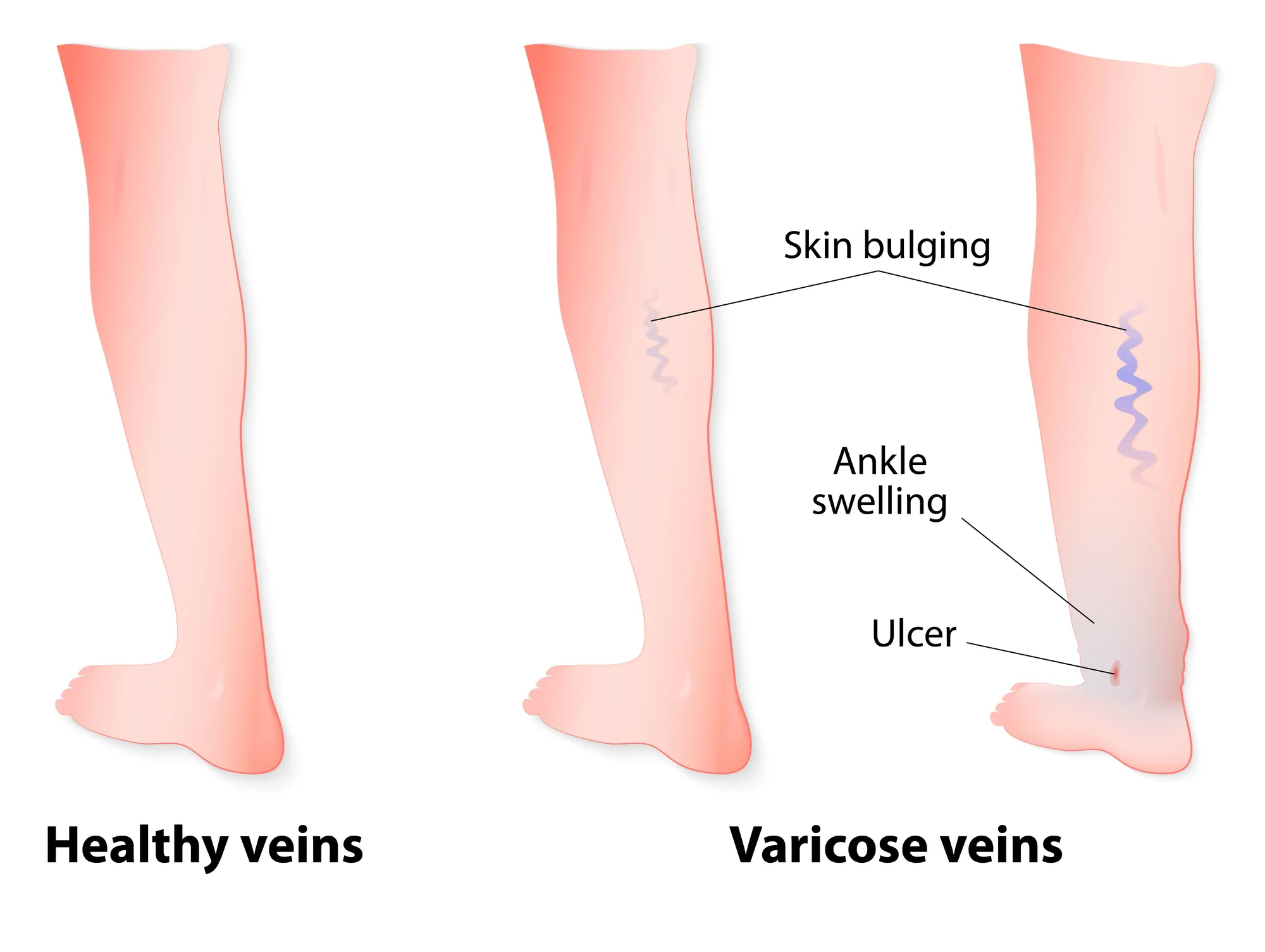
Venous insufficiency is a chronic condition that affects the veins, mainly in the lower limbs. It occurs when the valves inside the veins, which normally prevent the backflow of blood, do not function properly. This leads to blood pooling, increased pressure in the veins, and their dilation. Symptoms include pain, a feeling of heaviness, cramps, swelling (edema), and the appearance of varicose veins. The condition is more common in individuals who spend long periods standing or sitting, have a family history, or are overweight. Early diagnosis and treatment, as provided by Therapis General Hospital, are crucial to prevent complications.
What are the main symptoms of venous insufficiency?
The symptoms of venous insufficiency can range from mild to severe. The most common include a feeling of heaviness, fatigue, and pain in the legs, particularly after prolonged standing. Cramps, itching, burning sensations, and a feeling of “hot” legs may also occur. Swelling in the ankles and feet is a frequent sign. Over time, visible varicose veins and spider veins may develop, along with skin changes such as hardening, discoloration (hyperpigmentation), or even the formation of ulcers (wounds). If you experience any of these symptoms, it is important to consult a specialist for proper evaluation and treatment at Therapis General Hospital.

How is venous insufficiency diagnosed?
Diagnosis of venous insufficiency is primarily carried out through a detailed clinical examination and ultrasound mapping (Triplex vein ultrasound). This painless and non-invasive test allows the specialist to evaluate the anatomy and function of the venous system, identify insufficient veins, and determine the severity of the condition. At Therapis General Hospital, diagnosis is performed using the most advanced technology by specialized vascular surgeons. Accurate diagnosis is essential for designing the appropriate treatment plan tailored to each patient’s needs.
What are the treatment options for venous insufficiency?
Treatment of venous insufficiency at Therapis General Hospital focuses on minimally invasive techniques, which offer fast recovery, less pain, and excellent aesthetic results. At our hospital, the most effective and widely used method is the following:
- Endovenous Laser Treatment: This is a modern, minimally invasive technique and the gold standard for treating venous insufficiency. Using local anesthesia, the doctor inserts a very thin catheter into the affected vein under continuous ultrasound guidance. Through this catheter, laser energy is delivered, heating the inner wall of the vein. This heat causes the immediate closure and blockage of the vein, stopping the abnormal blood flow. The procedure is bloodless, and the vein is left in place to be gradually absorbed by the body over time. One of the most impressive aspects of this method is that the patient can immediately return to daily activities, avoiding the pain and large incisions of older surgical techniques.
What are the benefits of minimally invasive techniques for venous insufficiency?
Choosing minimally invasive techniques for the treatment of venous insufficiency at Therapis General Hospital offers many benefits. First and foremost, the procedure duration is short, usually performed under local anesthesia and lasting less than one hour. Recovery is very fast, allowing patients to return to their daily activities immediately, often the same or the next day. Post-procedure pain is minimal, and the risk of complications is significantly lower compared to traditional open surgery. Finally, the aesthetic result is excellent, as incisions are minimal or non-existent.
Is there a way to prevent venous insufficiency?
Prevention of venous insufficiency involves adopting a healthy lifestyle. Regular exercise, such as walking, cycling, or swimming, improves blood circulation in the lower limbs. Maintaining a healthy body weight reduces pressure on the veins. If your job requires prolonged standing or sitting, it is important to take frequent breaks, move your legs, and elevate them whenever possible. The use of compression stockings can also help support the veins. For personalized advice, the specialists at Therapis General Hospital can guide you.
Why choose Therapis General Hospital for the treatment of venous insufficiency?
By choosing Therapis General Hospital for the treatment of venous insufficiency, you are selecting a center of excellence equipped with the latest technology and specialized vascular surgeons with extensive experience in minimally invasive techniques. The approach is holistic, with a personalized treatment plan for each patient, ensuring not only effective treatment of the condition but also the fastest possible return to daily activities, with excellent results and minimal post-operative pain.
5th Generation Hybrid Operating Rooms at Therapis General Hospital
The 5th Generation Hybrid Operating Rooms at Therapis General Hospital are ultra-modern surgical suites that combine a fully equipped operating room with a hemodynamic or radiology lab, allowing the simultaneous performance of conventional open and minimally invasive (endovascular, laparoscopic, robotic) procedures, without the need to move the patient. Their advanced medical infrastructure includes high-resolution imaging systems such as C-ARM, digital angiography, and CT or MRI scanners, enabling real-time guidance. In addition, they are equipped with robotic systems for enhanced precision, specialized endoscopic tools and catheters, as well as complete surgical equipment for all types of procedures, making them ideal for complex and demanding cases. This advanced technology, combined with the specialized medical and nursing staff of Therapis General Hospital, ensures an exemplary level of medical care for all patients.
Advantages of 5th Generation Hybrid Operating Rooms
The main goal of hybrid operating rooms is to improve patient safety and increase the effectiveness of procedures. Their key advantages include:
- Reduction of Procedure Time: The surgeon can combine multiple techniques without needing to move the patient, speeding up the process.
- Reduced Invasiveness: Complex procedures can be performed using less invasive techniques, resulting in less pain and faster recovery.
- Real-Time 3D Imaging: The ability to obtain three-dimensional imaging of organs and vessels provides the surgeon with a more complete and accurate view of the surgical field, further reducing risk and increasing the success rate of the procedure.
- Risk Minimization: Immediate imaging and guidance significantly reduce the likelihood of errors.
- Management of Complex Conditions: Facilitates the treatment of complex cases requiring a combination of different surgical approaches, such as vascular diseases coexisting with tumors.
Frequently Asked Questions (FAQs)
1. Is the treatment of venous insufficiency painful?
No, the modern minimally invasive techniques used at Therapis General Hospital are minimally painful. The procedure is usually performed under local anesthesia, and post-procedure pain is mild.
2. How quickly can I return to my activities?
Most patients can return to their daily activities the same or the next day, as the procedures are bloodless and recovery is very fast.
3. Will varicose veins reappear after treatment?
Treated varicose veins do not reappear; however, venous insufficiency is a chronic condition, and new varicose veins may develop in other areas over time. Regular follow-up is important to maintain results.
4. Do I need to stay in the hospital?
Usually not. The majority of minimally invasive techniques are performed as single day procedures, allowing the patient to return home a few hours after the procedure.
5. When should I visit a vascular surgeon?
You should consult a vascular surgeon if you notice symptoms such as pain, heaviness, swelling, cramps, or the appearance of varicose and spider veins. Early diagnosis helps ensure more effective treatment.
Our Vascular Surgeons
Contact Form
Fill out the form below and we will contact you shortly.